


T20 Cricket – The New Language of the Game
India lifted the 2026 Men’s T20 World Cup title in Ahmedabad. But irrespective of whoever would’ve won it, the tenth edition of the tournament once again underlined a simple truth – T20 cricket has changed the sport forever.
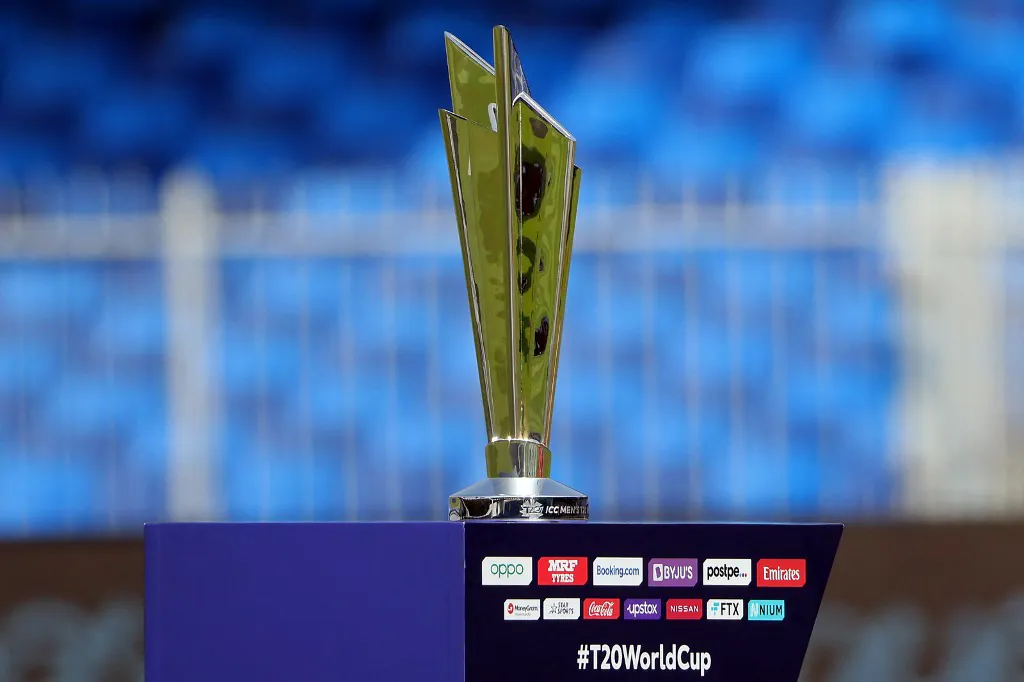
What began as an experiment in 2003 now dominates the calendar. Cricket has become a global business. Players travel the world on short-term contracts. Franchises sit alongside national teams. And the game on the field looks nothing like it once did.
The shortest format was once questioned. Many doubted its value. Today, it shapes how cricket is played, coached and consumed across formats. The question is no longer if T20 changed cricket, but how quickly it did.
The 1990s vs the T20 Cricket Era
In the 1990s, Michael Bevan defined the role of a finisher in one-day cricket. Few batters paced an innings better. He finished not out in 30 ODI run chases and Australia won 25 of them.
Adam Gilchrist described him in Playing the One-Day Game as “an expert in clever placement, audacious running and inventive strokeplay”. Bevan relied on gaps and rotation more than brute force. Across 232 ODIs, he hit just 21 sixes. That is one six every 444 balls.
Fast forward to today. In the 2026 T20 World Cup, Tim David will once again take Australia’s finisher role. Like Bevan, he never made it as a Test batter. Unlike Bevan, David has never played a first-class match. He faces around 10-15 balls per innings, clears the ropes with ease and makes a hefty sum for doing just this. Power has outweighed patience in T20 cricket.
The role has the same name but the skillset and requirement has changed completely.
T20 Cricket – A Six-Hitting Game
In August 2017 at Trent Bridge, Sky Sports staged a simple experiment. Andrew Flintoff, then 39, faced Jos Buttler, aged 26, in a six-hitting contest.
Flintoff’s longest hit travelled 92 metres. Buttler’s practice swing flew 103 metres into the top tier.
The contrast was stark. Flintoff relied on technique and weight transfer. Buttler relied on wrist speed and freedom. Buttler grew up in a game where the value of a wicket had dropped sharply.
In the first IPL season, teams hit 2.7 fours for every six. In recent editions, that number has fallen to 1.9. Every batter is now expected to clear the boundary. Anchors are fading while explosiveness has become non-negotiable.
Spinners Have Become Winners
When T20 cricket began, many believed it would kill spin bowling. Early line-ups often avoided specialist spinners altogether.
That belief collapsed and how.
Spinners bowled over 40% of overs in the last three IPL seasons. In 2008, the number stood just above 23%. Infact, 4 of the top 5 wicket-takers in T20 history are spinners. Only Dwayne Bravo is the exception. Most recently, Sunil Narine became the third bowler to cross the 600-wickets mark in T20 cricket.
Modern spin is faster and flatter. Rashid Khan set the template. Many resemble Anil Kumble more than Shane Warne. With five fielders allowed on the boundary, spinners now have room for error.
At the 2026 T20 World Cup, expect seam-up deliveries from Akeal Hosein, Mitchell Santner, and Maheesh Theekshana to play a major role.
Unorthodox Is the New Normal
T20 cricket has normalised the unusual.
Lasith Malinga changed fast bowling with his slingy action. Once unique, it is now copied. Nuwan Thushara, Zaman Khan and Matheesha Pathirana all follow similar paths. Jasprit Bumrah has taken the art a step further in the last decade and it is only a matter of time his bowling action starts getting replicated at the highest level.
Actions once considered risky are now prized for uniqueness. Deception matters more than rhythm. Expect more bowlers with unusual actions in the years ahead.
Slow Balls Rule the Death Overs
Once T20’s leading wicket-taker, Dwayne Bravo, rewrote fast bowling late in his career. He sometimes bowled 20 slower balls in his four overs quota.
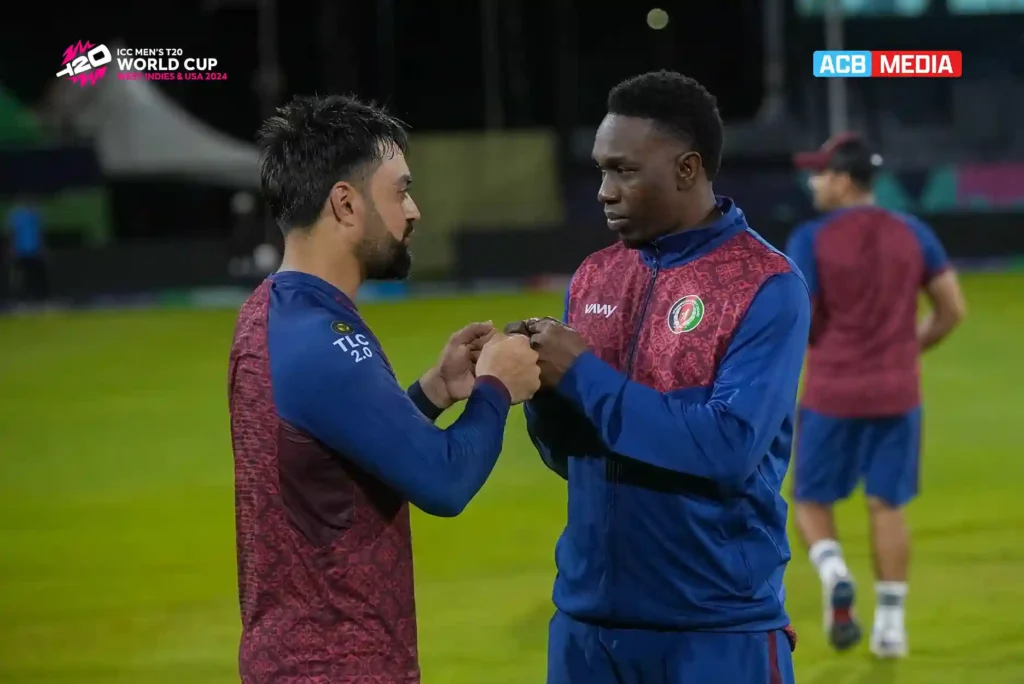
In the 1990s, this would have been unthinkable. Today, every fast bowler carries multiple variations. Off-cutters, leg-cutters, knuckleballs and back-of-the-hand deliveries are standard. Bowlers like Mitchell Starc and Jasprit Bumrah are rewriting the playbook of the game.
R Ashwin summed it up perfectly:
“Six well-constructed bad balls could be the way to go forward in T20 cricket.”
Fielding Has Reached New Heights
Watch highlights from the 20th century and the difference is obvious. Fielders rarely dived. Boundaries were escorted, not attacked.
That has changed completely. Relay catches are now routine. Teams practice them before games. India’s relay catch involving Suryakumar Yadav played a winning role in their 2024 T20 World Cup win.
Even fast bowlers lead the way. In the 2023-24 BBL, all four of the best catches involved Michael Neser.
Fielding is no longer optional. It is central.
Wickets Are Cheaper Than Ever
In ODIs, around one-third of innings end with teams bowled out. In T20Is, the figure drops to one-fifth. Losing wickets simply matters less.
Virat Kohli is dismissed once every 60+ balls in ODIs. In T20Is, that drops to 35+ balls. Batters attack more freely.
This shift has produced strange tactics. In the 2014 T20 World Cup final, Yuvraj Singh scored 11 off 21 balls, limiting MS Dhoni to just 7 deliveries. Sri Lanka chased 131 with 13 balls to spare, costing India a long wait for their second T20 World Cup title, since the win during the inaugural edition in 2007.
Teams now even retire batters out. Once unthinkable, it is now strategic.
The T20 Effect Across Formats
T20 cricket has reshaped all formats.
In 2003, Test matches ran at 3.20 runs per over with 36.33 runs per wicket. By 2023, the rate rose to 3.52, while wickets fell at 32.50 runs per wicket. ODI scoring jumped from 4.67 to 5.54 runs per over over the same period.
Some of Test cricket’s greatest moments now rely on T20 skills. Ben Stokes’ reverse sweeps at Headingley in 2019. Jasprit Bumrah’s yorkers and slower balls to Pope & Foakes in Visakhapatnam in 2024
Even purists who refuse to watch T20 are still watching a game shaped by it.
T20 Cricket Is Here to Stay
T20 cricket did not just shorten the game. It changed how players think, train and perform. It altered careers and value systems. And eventually transformed the expectations of fans.
It has quietly become the format that changed cricket more than any other.
Cricket will never look the same again. And that is T20 cricket’s lasting legacy.