


Team India win their maiden Women’s World Cup title
India’s women’s team has done what generations of players, coaches and supporters dreamed of. They have won their maiden ICC Women’s World Cup. The title was sealed at Dr DY Patil Stadium, Navi Mumbai, when India beat South Africa by 52 runs.
The victory instantly joined Harmanpreet Kaur with the rare company of Indian captains who have lifted an ODI World Cup for the country. A short but legendary list that previously only included Kapil Dev and MS Dhoni. The 2025 Women’s World Cup win felt like the closing of a long loop for a team that had been building toward this moment for years and did so in front of their home crowd.
The final was a complete team performance. Batting first, India posted 298 for 7 building on a solid start from Shafali Verma (87) and important middle-order contributions, including Deepti Sharma’s 58 not out. South Africa were dismissed for 246 as Deepti produced a match-defining performance with both bat and ball.
Her 5-wicket haul in the final capped a tournament in which she finished with 22 wickets and 215 runs, becoming the first player in any Women’s World Cup edition to score more than 200 runs and take more than 20 wickets. That double made Deepti the clear Player of the Tournament.
India’s Heroes in the Women’s World Cup
India’s route to the final was solely due to the depth of their squad. Smriti Mandhana finished the tournament as India’s highest run-scorer with 434 runs at an average of 54.25, surpassing Mithali Raj’s previous single-edition mark.
Jemimah Rodrigues produced one of the tournament’s most unforgettable knocks, an unbeaten 127 in the semi-final taking India past defending champions Australia in the highest successful chase in Women’s World Cup history. Captain Harmanpreet also led from the front with vital contributions in knockouts. She scored a mammoth 331 runs just in the semis and final, showcasing not just her leadership but also her batting prowess.
Power and finishing ability also arrived from unexpected and young quarters. Richa Ghosh finished the tournament among the most powerful hitters, matching the single-edition six tally and changing games in the late overs. Pratika Rawal and others produced match-winning innings in the group stage. Rawal’s century in a big win over New Zealand helped India seal a semi spot after a tricky run of early losses, showing that the WPL and the domestic pipeline are producing not just match-ready but big-match-ready players.
21-year-old Shree Charani took 14 wickets in 9 matches and already looks like a start in the making. Shafali Verma bowled only once in the tournament and took 2/36 in the final at DY Patil. Multiple performers took off the burden from any single player and made India a genuinely collective engine throughout the tournament.
What Does Winning the World Cup Mean for Female Cricketers?
The victory matters well beyond silverware. The Women’s World Cup title will accelerate investment and visibility for women’s cricket in India. Broadcasters, sponsors and the Indian board have already signalled stronger backing and rewards for the squad, while grassroots programmes and the Women’s Premier League can expect more eyeballs, attention and funding. But moreover, a generation of young girls now have a clear, live template for how to reach the very top.
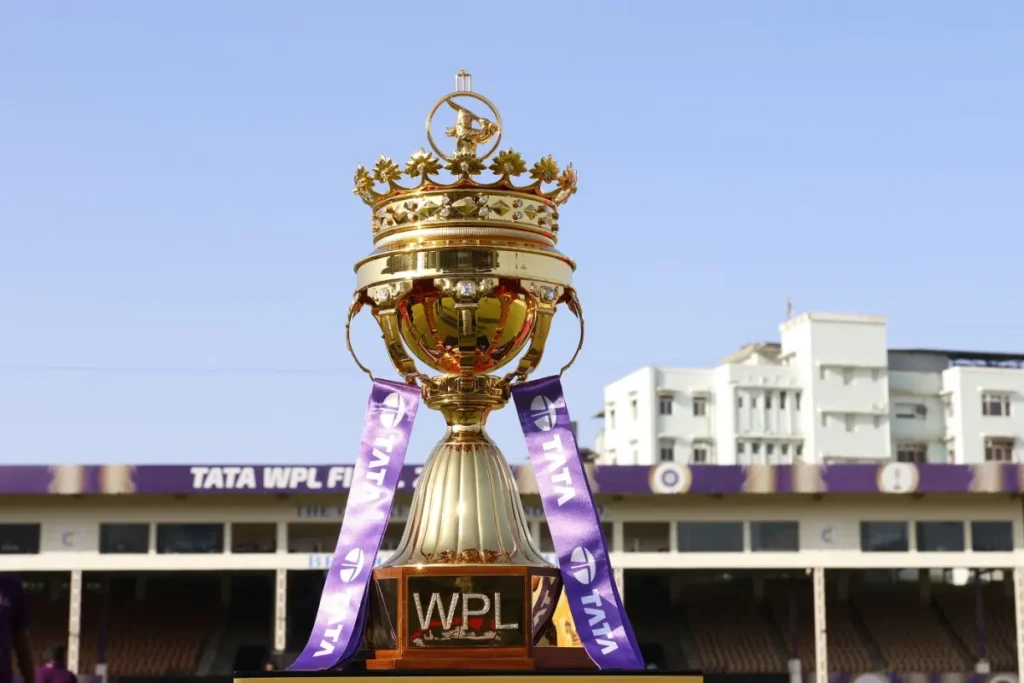
There will be scrutiny and questions, as there should be after any major win: selection, workload management and how to convert this moment into sustained success for Team India for years to come. For now, the record is simple and historic. India have their first Women’s World Cup trophy, the squad produced several world-class performances across batting, bowling and finishing, and Harmanpreet Kaur’s name joins the short roll-call of Indian captains alongside the great Kapil Dev and Mahendra Singh Dhoni who have brought ODI World Cup glory to the country.
This Women’s World Cup win will not just reshape expectations for the sport in India but also hand the next generation something concrete to chase, not a dream, but a blueprint.