

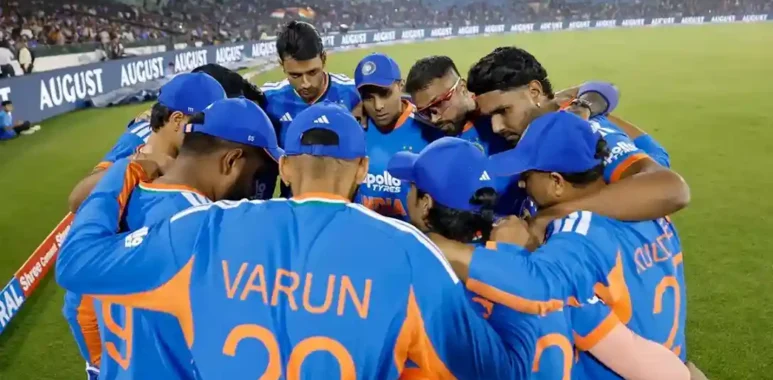
India Eye Unique Triple Milestone at the T20 World Cup
India come into the 2026 T20 World Cup with a chance to rewrite history. No team has ever won a T20 World Cup at home. No side has successfully defended a title or won the coveted T20 title three times. Team India have the chance to become the first team to do it all.
Under captain Suryakumar Yadav, India have transformed consistency into a defining trait in a format known for unpredictability. The challenge of a home tournament often amplifies pressure. And to defend the title has its own challenges.
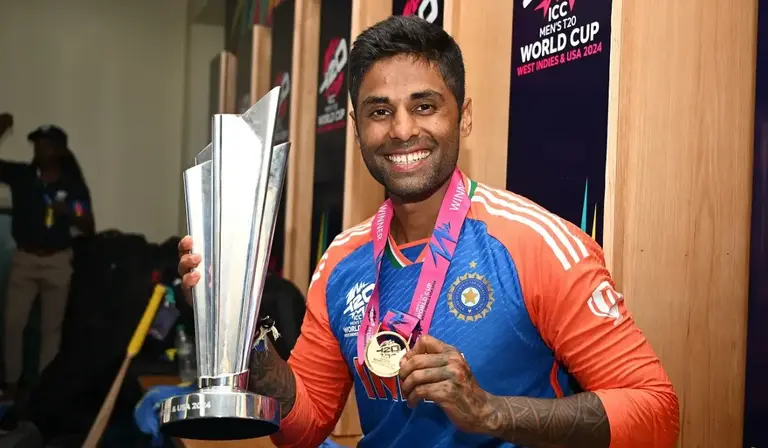
Many past champions have faltered under similar expectations. India will be aware of that history but will also believe their recent form gives them an edge over the others.
Over the last two years, India have reshaped their T20 identity. An 80 percent win rate reflects a team that has learned to control chaos rather than be defined by it. Their approach blends aggressive intent with tactical clarity, positioning them as favourites heading into the finale in March.
Team India’s Impeccable Squad Balance
Squad: Suryakumar Yadav (c), Axar Patel (vc), Sanju Samson (wk), Abhishek Sharma, Tilak Varma, Hardik Pandya, Ishan Kishan (wk), Shivam Dube, Washington Sundar, Mohammed Siraj, Jasprit Bumrah, Varun Chakaravarthy, Kuldeep Yadav, Arshdeep Singh, Rinku Singh.
Over the last few years, India’s depth has been one of their biggest strengths. The pool of talent that India possess allows them to field three different teams across the three formats, without compromising on quality.
Ahead of this T20 World Cup, they faced a minor setback as Harshit Rana was ruled out, with Mohammed Siraj stepping in. Siraj may not provide the same batting depth, but India’s long batting line-up cushions that change.
Selection decisions reflected clear thinking. The management moved away from including Shubman Gill in the top order, choosing continuity instead. Yashasvi Jaiswal also missed out as Sanju Samson partnered Abhishek Sharma at the top despite a prolonged search for consistency. India prepared contingencies carefully. Ishan Kishan replaced Jitesh Sharma as backup keeper and quickly integrated into the line-up. His flexibility allows him to open or bat at number three while providing reliable glovework.
The finishing trio of Shivam Dube, Hardik Pandya and Rinku Singh offers power at the back end, while the middle order adapts depending on match situations. India’s spin resources include both Kuldeep Yadav and Varun Chakaravarthy, a luxury that occasionally impacts batting depth but adds significant wicket-taking potential.
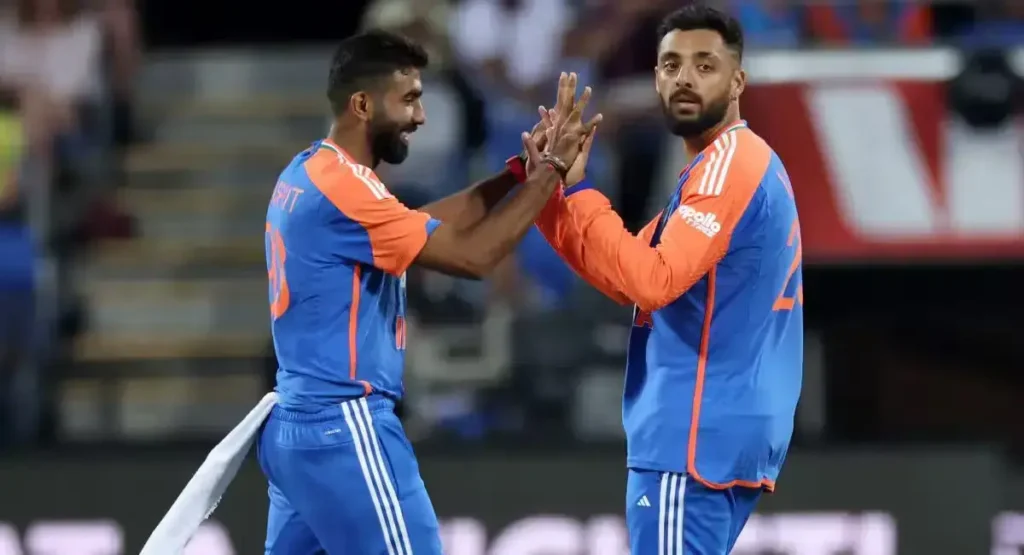
Jasprit Bumrah and Arshdeep Singh compliment each other’s bowling both with the new ball as well as during the death. Meanwhile, the team continues to back Washington Sundar’s recovery rather than seeking replacements, valuing his role as a like-for-like option for Axar Patel.
What makes India different at this T20 World Cup?
India’s transformation is most visible in their batting strategy. They score at close to 10 runs per over during the PowerPlay. While aggressive starts are common in modern T20 cricket, India’s ability to sustain that tempo stands out.
They maintain a strike rate above 9 runs in the middle overs and accelerate beyond 10 runs at the death. This sustained aggression has produced remarkable totals. India have registered 12 scores above 200 during this cycle, while no other team has crossed 7.
Their three highest T20I totals have all come in this phase – 297/6, 283/1 and 271/5. The emphasis remains clear: attack relentlessly and accept calculated risks. India have lost only 6 of their last 41 matches, with just 2 defeats at home coming while chasing targets above 200.
Until this edition, Rohit Sharma remains the only Indian player to win the T20 World Cup twice. Only 9 players in the world have achieved this feat where the other 8 players are from West Indies. If India go on to lift the title in 2026, a number of Indian players will have matched he record.
Road to the 2026 T20 World Cup
India’s journey to this T20 World Cup has been defined by sustained excellence. Since lifting their second T20 World Cup title in June 2024, they have won 33 of 41 T20Is.

That run includes a 7-match unbeaten stretch during last year’s Asia Cup and 8 bilateral series wins, split evenly between home and away conditions.
Their victories have come against strong opponents such as Australia, South Africa, England and New Zealand. Consistency against top teams has reinforced their reputation as the benchmark side in T20 cricket.
Such numbers underline the efficiency of a batting unit that thrives despite a high-risk philosophy.
India arrive as the gold standard of T20 cricket. Their blend of depth, clarity and fearless batting makes them the team everyone wants to beat. Anything short of a final appearance will likely be seen as falling below expectations. History awaits as India now have the opportunity to achieve what no team has done before at a T20 World Cup.
Also check the full fixtures and global broadcast guide of the tournament.