

NBA Winners and Whiners
Since 1996-97, every NBA champion has finished the regular season in the league’s top eight in net rating. That trend gives this piece its frame. "NBA winners and whiners" is not a weekly betting gimmick. It is a character study of the league’s two loudest archetypes.
The winner profile is stable. These stars drive efficient offense, hold up over long playoff series, and fit inside strong team structure. The whiner profile is different. These players can still be great, but they spend more possessions arguing with officials, chasing volatility, or letting emotion shape the game. That split matters for fans and for bettors reading team identity through star behavior, especially in matchup work like this Nuggets vs Clippers prediction.
These eight players define the categories in clear ways. Some have titles and MVPs that match the film and the numbers. Others turn every game into a debate with the whistle, the crowd, or themselves. The point is not morality. The point is repeatable basketball value.
1. Nikola Jokic
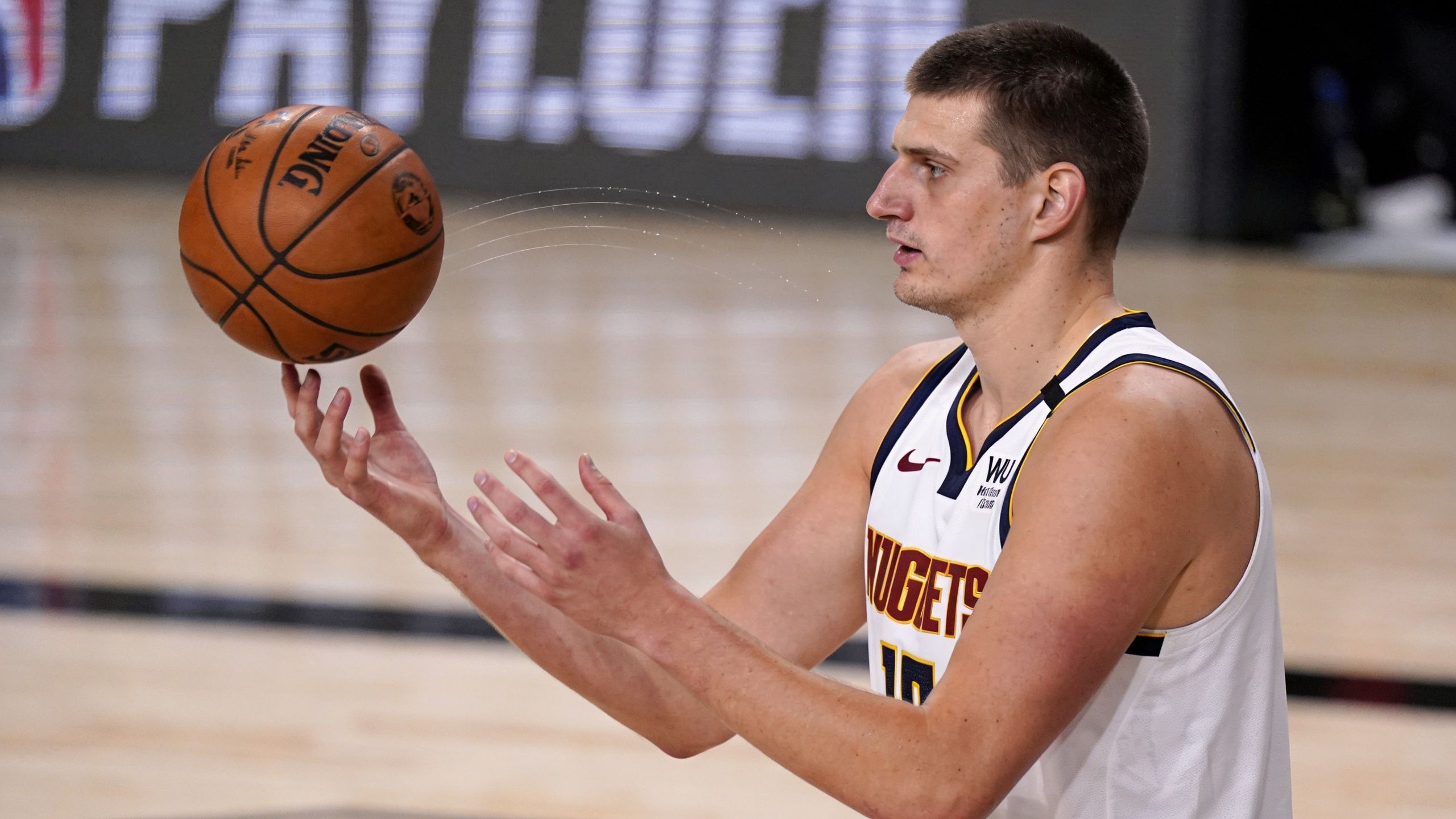
Jokic defines the winner archetype because he produces control. Possessions slow to his pace. Defences lose structure without obvious mistakes showing up on film.
His case is bigger than box-score volume. As noted earlier, title teams need elite team efficiency, and Jokic fits that standard because his style raises the floor of every half-court trip. He turns good spacing into great spacing. He rewards cutters, punishes late help, and creates high-value shots without forcing the game into chaos.
Why Jokic always looks in control
Jokic wins with timing. He holds a defender for one extra beat, shifts the weak side, then makes the simple pass that creates the hard rotation. That sequence repeats all game. It travels to the playoffs because it does not depend on whistle hunting or first-step explosion.
That is the non-obvious edge in an article about winners and whiners. Jokic rarely wastes possessions on arguments. He keeps the next action alive. Over a seven-game series, that trait matters. Teams with a star who stays inside the possession tend to keep their shape longer than teams built around emotional swings.
For bettors, the read is practical. Jokic is strongest in games that become half-court exams. Late-clock possessions still have structure. Shot quality stays stable even when pace drops. A matchup page like this Nuggets vs Clippers prediction analysis matters because Denver games often turn on those small execution edges, not on highlight variance.
Practical rule: Back the star whose process survives playoff pace and tighter whistles.
For fans, the lesson is simple. Copy the footwork first. Then copy the patience. The flashy pass is the result, not the skill.
2. Giannis Antetokounmpo
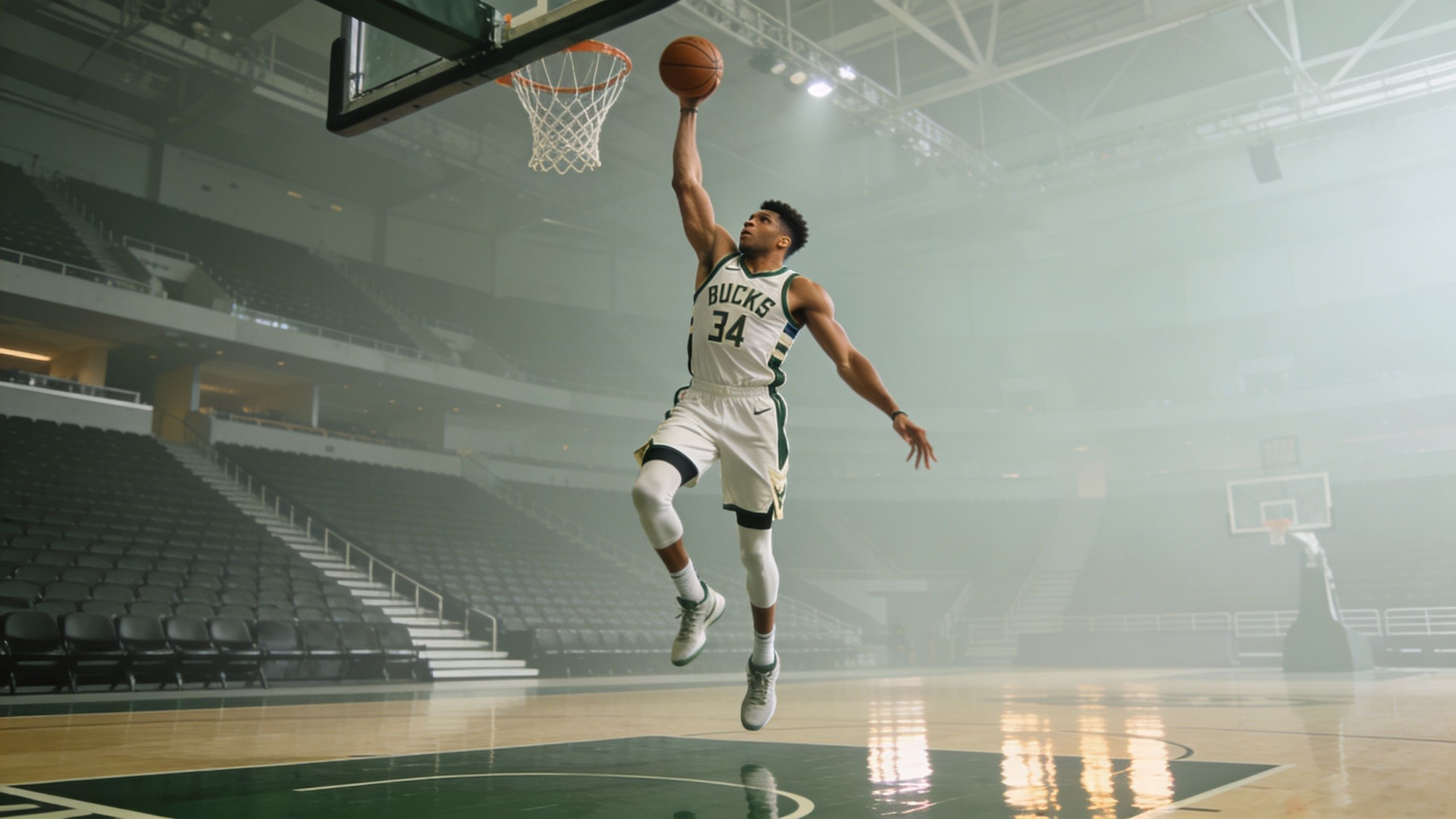
Giannis is a different kind of winner. Jokic solves games with timing. Giannis overwhelms them with pressure. He forces defenders to make hard choices on every drive, then punishes hesitation.
The reason he belongs in this archetype isn’t only the trophy shelf. It’s the repeatable shape of his impact. He can dominate transition, collapse the paint, rebound through contact, and defend across lineups. That combination travels. It doesn’t depend on one hot shooting night.
What Giannis teaches bettors
Giannis changes the geometry of a game. Teams load bodies into the lane. That opens kick-outs, foul pressure, and rebound chances. Even when his jumper isn’t central, his pressure still warps the floor.
That’s useful in player-market thinking. A power scorer who also forces help can influence several categories at once. Casual bettors often isolate points. A better read is to ask whether the defence can physically hold its shape for four quarters.
A simple basketball takeaway works here too:
- Handle pressure early: Giannis attacks before the defence is set.
- Train footwork under contact: His long strides only work because he stays balanced.
- Build counters: When the wall comes, touch passes and quick spins matter.
He also represents the emotional side of winning in a healthy way. His intensity usually points forward. It doesn’t stay with the previous whistle. That distinction separates aggressive stars from players who spend a possession arguing while the game moves on.
3. Stephen Curry
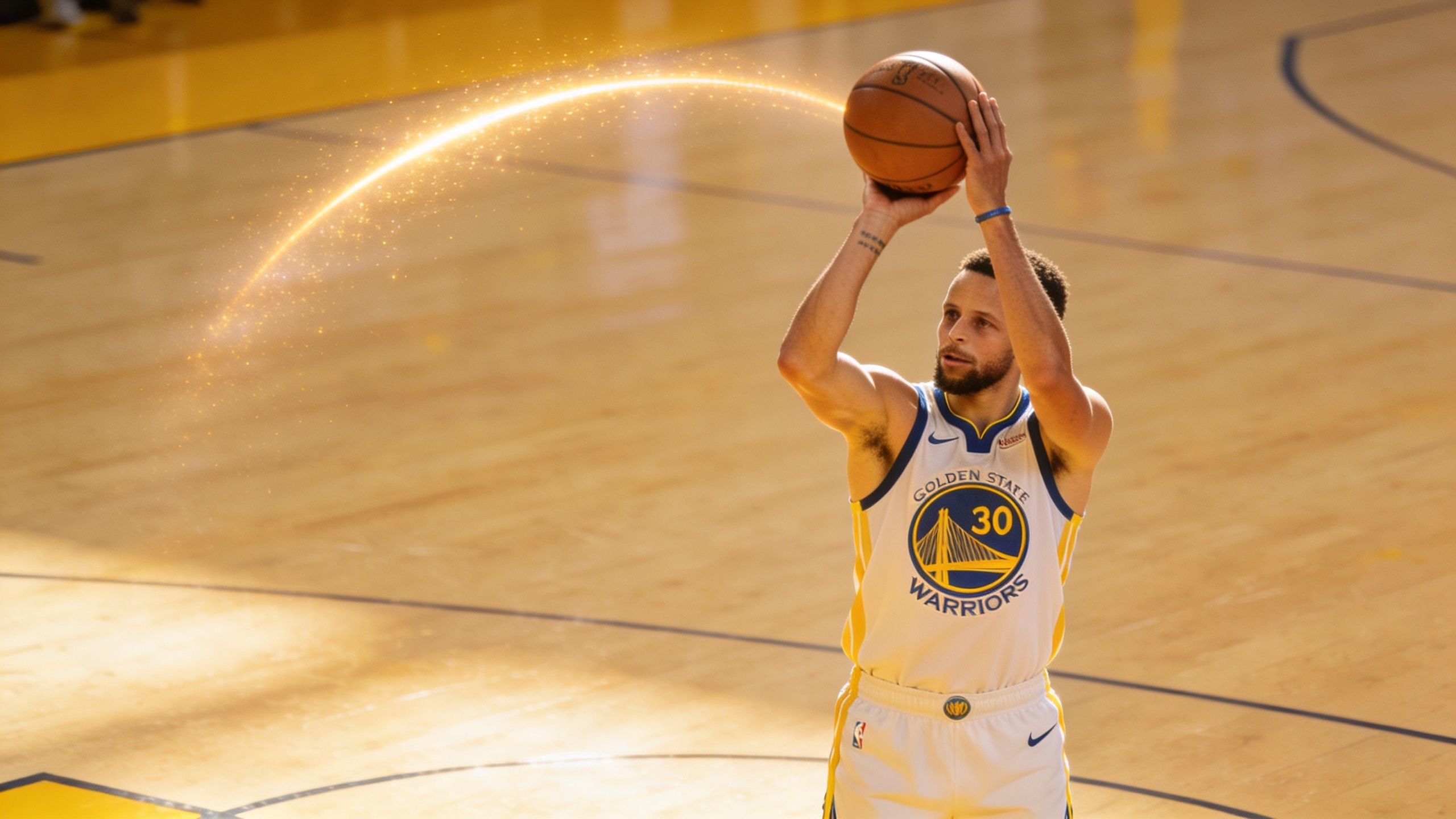
Curry belongs on the winners side because he changed what a great offensive possession can look like. He doesn’t need the ball for long. He doesn’t even need to shoot to create panic. His movement does the damage first.
That makes him one of the cleanest examples of scalable winning. A lot of stars raise the floor. Curry raises the ceiling because defenders have to account for him before he even touches the ball. One screen can distort the whole defence.
The winner trait people miss
Curry’s real gift isn’t shot-making alone. It’s constant relocation. He turns simple actions into multiple threats. The possession doesn’t end after the first pass. It often starts there.
For bettors, that matters in matchup reads against teams with shaky off-ball discipline. A defence can survive one elite creator on the ball. It struggles more against movement that forces repeated communication mistakes. If you like game scripts built on pressure and pace, this Thunder vs Pacers prediction offers a useful model for how dynamic offences can stress weaker defensive habits.
Movement shooters punish lazy switching faster than isolation scorers punish single coverage.
Players copying Curry should work on footwork before range. Catch angle, body alignment, and quick resets after giving up the ball are the skills that make the jumper deadly. The winner quality here is stamina with purpose. He keeps moving because each cut asks the defence a new question.
4. Joel Embiid
Embiid lives at the fault line of this article’s central idea. He has MVP-level force. He also has long stretches where emotion and whistle-hunting shape the game almost as much as his scoring.
That tension makes him one of the clearest character studies in the NBA. The winner version of Embiid controls shot quality on both ends. He scores from the post, the elbow, and the foul line area. He also deters drives and forces offenses into tougher interior attempts. Few stars can bend a game this hard without needing a high-speed system around them.
The whiner side is real, too. Embiid can spend too much time reacting to contact, replaying calls with officials, or letting frustration slow his next possession. That does not erase his value. It explains why he sits closer to the middle line than Jokic, Giannis, or Curry.
Why Embiid still lands on the winner side
The strongest case for Embiid is structural. He changes what shots are available. On offense, single coverage is dangerous because of his size, touch, and patience. Extra help opens clean looks around him. On defense, his presence narrows the floor and makes guards think twice about getting downhill.
That profile matters in an evergreen winners-versus-whiners discussion because it separates style from outcome. Some stars look composed while giving back points on defense. Embiid can look frustrated and still control the two areas that decide games most often. Paint scoring and paint defense.
For bettors or analysts trying to read his impact, three signals matter more than MVP talking points:
- Post touches with balance: Embiid is at his best when he gets to his spots without rushing through contact.
- Defensive activity in space: His value spikes when he shows, recovers, and contests instead of conserving energy.
- Response after missed calls: The possession after the complaint usually tells you more than the complaint itself.
Peak Embiid is still a winner archetype. He puts too much pressure on the rim, on matchups, and on shot selection to fall on the other side. The reason he belongs in this article is that he shows how thin the line can be. Elite production can coexist with visible frustration. The winners separate themselves by making sure the production remains the bigger story.
5. Draymond Green
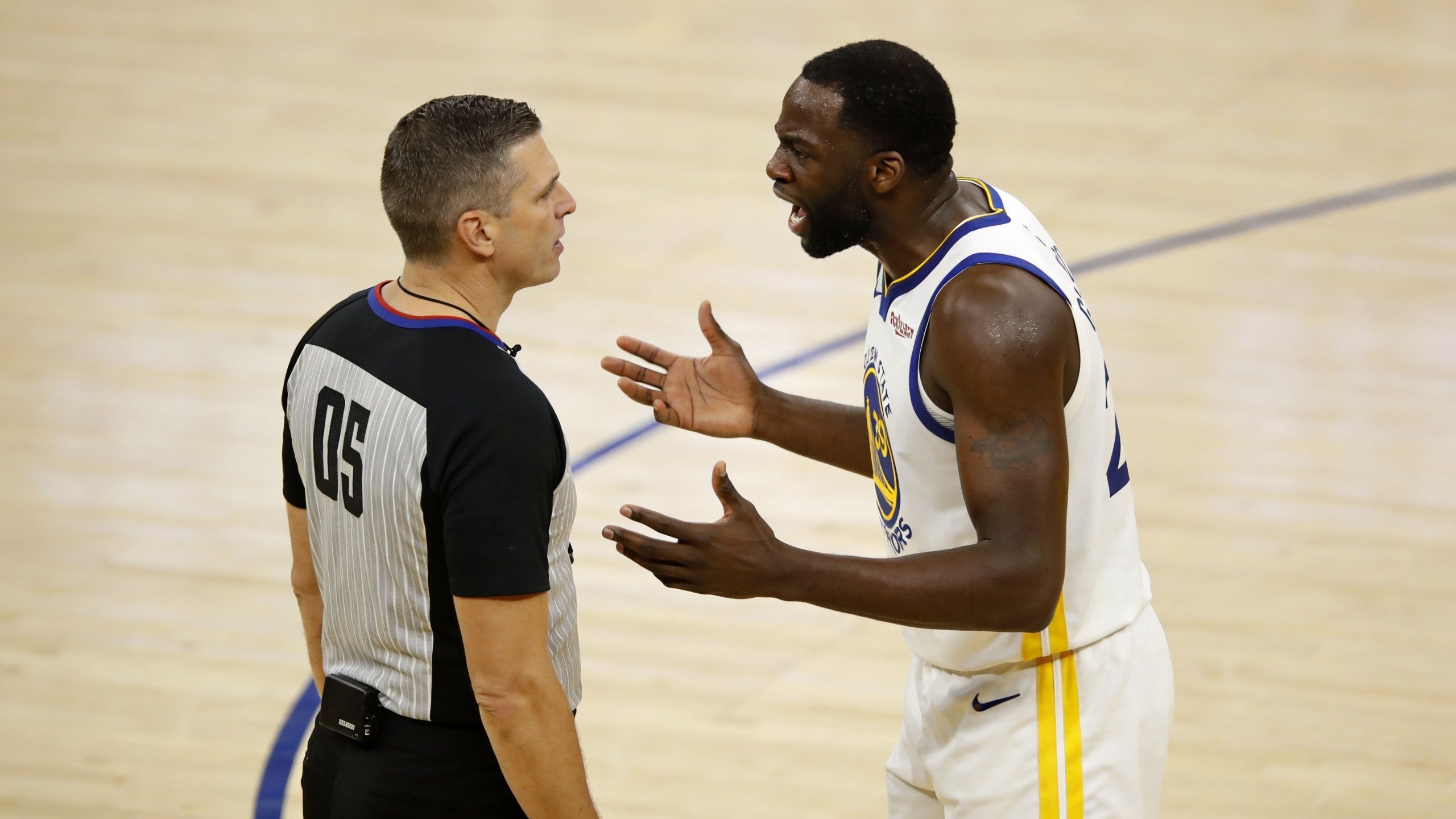
Draymond Green is the clearest whiner on the list because the complaints are part of the package. Some of them are tactical. He works officials, sets emotional tone, and tries to tilt calls over a full game. But the same behaviour can cost his team possessions, composure, or availability.
That’s what makes him such an important study. Green is also a proven winner in every basketball sense that matters. He defends, connects lineups, and reads actions early. The problem is that his emotional edge can spill over from competitive advantage into self-sabotage.
Productive fire and wasted energy
The sharp distinction with Green is whether the arguing serves the next possession. Sometimes it does. He raises intensity, tells teammates where to rotate, and forces everyone to lock in. Other times he stays in the dispute too long. Then the complaint becomes the story.
For casual bettors, Green-type players matter most in live markets. They can swing momentum without scoring. One heated stretch can change pace, foul trouble, substitution patterns, and team body language.
Live-bet angle: Emotional defenders can create value both ways. They can spark a run or trigger a collapse.
If you’re building a personality-based read, separate noise from function. Green’s best nights feature communication that helps the scheme. His worst nights feature theatre that drains it.
6. LeBron James
LeBron is one of the greatest winners the league has seen. He’s also one of its most visible complainers. Both things are true. That’s why he belongs in this piece.
His reactions to missed calls are famous because they’re theatrical and easy to spot. Arms out. Stare at the referee. Delayed retreat. The issue for bettors isn’t whether he complains. It’s whether the complaint changes the game. Sometimes it buys a later whistle. Sometimes it gives away transition defence.
Why LeBron’s whiner reputation persists
LeBron knows the politics of a game as well as anyone. He understands timing, crowd pressure, and how stars influence perception. That makes some of his complaints strategic rather than emotional. Still, there are nights when the protest lasts too long and the next play gets lost.
That’s the betting lesson. Don’t reduce player personality to memes. Ask whether the behaviour is controlled or reactive. Controlled complaints can be part of game management. Reactive complaints usually hurt.
If you follow league-wide player storylines and betting angles, the Duelbits News hub is the cleanest place to track broader NBA coverage without chasing scattered takes.
A young player copying LeBron should borrow the game management, not the visible frustration. The winner version of LeBron reads the floor early and manipulates matchups. The whiner version spends energy trying to reverse a call that’s already gone.
7. Russell Westbrook
Westbrook is the loudest emotional swing player of the group. His competitiveness is real. His frustration is just as real. When people talk about nba winners and whiners, he sits near the centre because his identity has always mixed force with volatility.
He can turn a dead game live through pace, pressure, and pure belief. He can also force the action after a bad whistle or a missed shot and create the exact spiral his team needs to avoid. That’s why opinions on him split so sharply.
The betting read on Westbrook
Westbrook doesn’t play small. That’s both his gift and his risk. If he feels the game speeding up, he’ll often try to outrun it. Sometimes that wins quarters. Sometimes it burns possessions.
For casual bettors, he’s a reminder that intensity isn’t automatically winning basketball. Productive intensity stays connected to shot quality and defensive assignment. Unproductive intensity chases the last mistake.
A practical player lesson fits his style:
- Breathe before the next touch: Resetting emotion matters after turnovers.
- Protect the possession: Speed only helps when the read comes with it.
- Use aggression selectively: Every fast break isn’t a good fast break.
Westbrook’s best version is a force of momentum. His worst version argues with the moment instead of playing it.
8. Patrick Beverley
Patrick Beverley built a career on making games uncomfortable. That skill deserves respect. He talks, pressures the ball, invades space, and tries to drag opponents into his preferred emotional temperature. The whiner label comes from how often that crosses into complaints, confrontations, and side plots.
He’s not a whiner because he talks. Plenty of winners talk. He’s a whiner because too much of his influence depends on dispute. He wants the game to feel messy, and that can blur the line between disruption and distraction.
Why Beverley matters more than his box score
Beverley is useful in this list because he shows how role players can shape betting outcomes without starring. A heated sequence involving him can change officiating tone, foul distribution, and the emotional state of a ball-handler.
That matters most in niche player markets and live reads. A vocal defender can force rushed decisions. He can also pick up avoidable fouls if he loses discipline.
The smartest way to read agitators is to ask one question. Are they unsettling the opponent, or unsettling their own team?
For players, Beverley offers one clear lesson. Competitive edge is valuable when it stays tied to a job. Defend, rotate, rebound, bother the ball. Once the argument becomes the performance, the edge starts working against you.
NBA Winners & Whiners: 8-Player Comparison
| Player | Implementation complexity | Resource requirements | Expected outcomes | Ideal use cases | Key advantages |
|---|---|---|---|---|---|
| Nikola Jokic (Winner) | Moderate, offense built around his passing and post play | Spacing shooters and tactically astute coaching | High playmaking, efficient scoring, frequent triple-doubles | Half-court facilitation, pick-and-roll/pace control | Elite court vision; efficient scorer and rebounder |
| Giannis Antetokounmpo (Winner) | High, needs transition/iso-focused schemes | Athletic wings, floor spacers, rim protection help | Dominant inside scoring, rim protection, momentum shifts | Transition-heavy offenses and defensive anchors | Freak athleticism; versatile rim deterrent |
| Stephen Curry (Winner) | Moderate, requires off-ball movement and screen actions | Catch-and-shoot teammates, consistent screen-setting | Elite perimeter scoring and spacing; creates driving lanes | Spacing-first offenses and pick-and-roll actions | Unparalleled deep-range shooting and gravity |
| Joel Embiid (Winner) | Moderate, post-centric system with load management | Shooters around the arc, conditioning and medical support | High scoring, elite rebounding, interior defense | Teams needing primary scorer and interior presence | Dominant two-way big who draws double teams |
| Draymond Green (Whiner) | Moderate, integrates as defensive hub but needs emotional control | Disciplined teammates and coaching to manage intensity | Improved team defense and communication; tech risk | Teams needing defensive coordinator and energy setter | Vocal floor general; defensive versatility |
| LeBron James (Whiner) | Low–Moderate, highly adaptable but demands playmaking focus | Supporting shooters, depth for minutes management | Consistent elite scoring and playmaking; leadership | Title contenders needing primary creator and veteran leader | Longevity, versatility, ability to draw fouls |
| Russell Westbrook (Whiner) | High, high-usage, frenetic style that affects spacing | Athletic finishers, ball handlers, tolerance for turnovers | High counting stats (rebounds/assists), variable efficiency | Teams seeking energy, transition scoring and pace | Relentless attacking drives and triple-double production |
| Patrick Beverley (Whiner) | Low–Moderate, plug-in perimeter defender with behavioral risk | Defensive-minded roster and coaching discipline | Intense on-ball pressure, opponent disruption; techs risk | Teams needing perimeter disruption and toughness | Tenacious defense and constant vocal disruption |
Betting on Player Personalities
Teams with stable stars close more games cleanly. Teams with volatile stars create more possessions that swing on whistles, body language, and shot selection.
That is the betting value in an evergreen winners-and-whiners framework. It is not about judging personality. It is about identifying which player habits hold up under playoff pressure and which habits introduce avoidable variance. Champions and MVPs usually compress chaos. Chronic complainers often add to it.
The difference shows up best when the market prices a game on talent but underrates temperament. Jokic, Giannis, and Curry tend to keep possessions productive even when defenses change the script. Their profiles travel. They generate efficient shots, limit emotional drift, and keep teammates in structure. Embiid, Draymond, LeBron, Westbrook, and Beverley bring obvious strengths too, but their games can also pull a matchup toward foul trouble, technicals, rushed decisions, or public frustration. That tension matters more than any single highlight.
A smart read starts with role clarity. Back the winner archetype when his habits match the team context, the officiating style, and the likely game script. Treat the whiner archetype more carefully when the matchup raises the odds of conflict, baiting, or late-game overreaction.
Parlays are where many casual bettors make the wrong trade-off. They stack good basketball opinions into fragile tickets. A player with emotional volatility can still hit his points line and still damage the team result, pace environment, or assist flow around him. That is why personality analysis works better for filtering bet combinations than for forcing a single pick.
If you’re placing NBA bets through Duelbits basketball markets, keep the model simple. Use personality as a tiebreaker after matchup, role, and availability. Stable stars are usually safer anchors. Volatile stars require more selective entry points.
The box score records outcomes. Player temperament often shapes them first.
Duelbits News publishes the kind of sports coverage that helps casual fans make sharper reads without drowning in noise. If you want more data-led NBA analysis, plus football, cricket, tennis, esports, boxing, racing, and F1 coverage, follow Duelbits News.